Nice Classification NCL 13-2026: Key Changes in Goods and Services
1. What is the Nice Classification NCL 13-2026 and when does it enter into force?
The Nice Classification of Goods and Services is the international system used to classify goods and services into 45 classes for trademark registration purposes.
The 13th edition, version 2026 (NCL 13-2026) entered into force on January 1, 2026, replacing the previous edition for all new trademark applications filed as of that date.
Important notice
Trademark applications filed before January 1, 2026 are not automatically reclassified and retain the classification applicable under the previous edition of the Nice Classification.
2. Conceptual approach of the NCL 13-2026 changes
The NCL 13-2026 introduces a significant conceptual shift in classification criteria.
New classification approach
The classification moves away from focusing primarily on the composition or nature of products and instead emphasizes their intended purpose, function, or principal use.
Practical impact
As a result, several products with specific functions have been reclassified into classes that more accurately reflect their essential commercial purpose, directly affecting how goods and services specifications must be drafted in trademark applications.
3. Most relevant changes in goods (products)
3.1 Products transferred between classes
Below are the most significant and widely reported changes affecting goods under the NCL 13-2026.
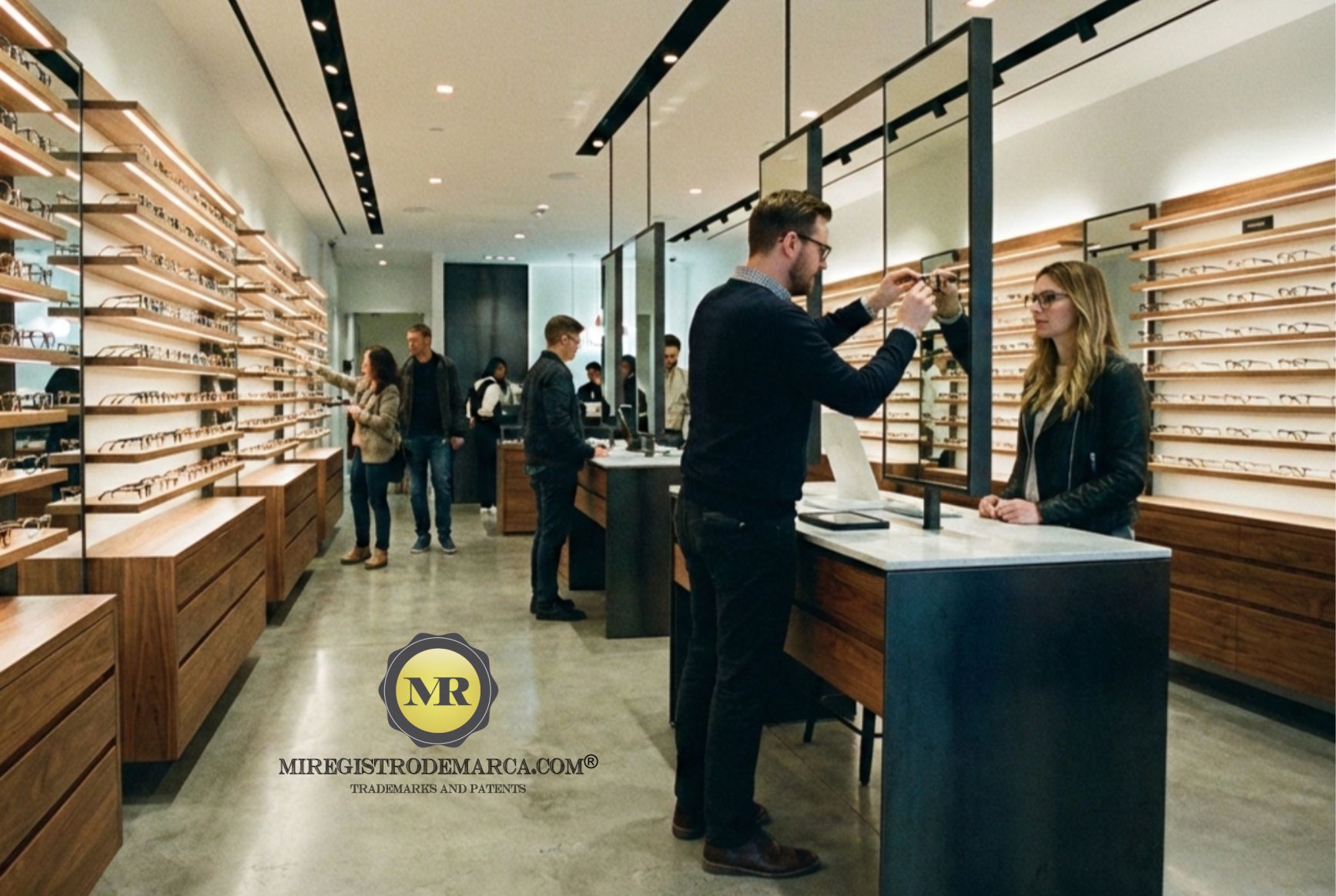
3.2 Optical products
Products such as eyeglasses, contact lenses, and sunglasses have been reclassified from:
-
Class 9 → Class 10
This change reflects their primary medical or health-related function, rather than a technological one.
3.3 Emergency and rescue vehicles
Items including fire engines, rescue boats, and lifesaving vessels have been transferred from:
-
Class 9 → Class 12
They are now properly classified under vehicles and means of transport.
3.4 Electrically heated clothing and accessories
Electrically heated garments, such as heated jackets and socks, have moved from:
-
Class 11 → Class 25
These products are no longer treated as electrical apparatus but as articles of clothing.
3.5 Personal hygiene products
Items such as electric toothbrushes and tongue scrapers have been reclassified from:
-
Class 10 → Class 21
They are now considered personal care and household utensils.
3.6 Essential oils
The classification of essential oils now depends strictly on their primary intended use:
-
Class 3: when used as cosmetics or fragrances
-
Class 5: when used for medical or therapeutic purposes
-
Class 30: when intended for food or culinary use
3.7 Food products and specific food items
Certain food products, such as buttercream (butter frosting), have been reclassified from:
-
Class 29 → Class 30
Reflecting their nature as processed food products.
3.8 Other technical examples
-
Hose nozzles may be reclassified from:
-
Class 21 → Class 17, when primarily made of rubber or plastic
-
4. Relevant changes in services under NCL 13-2026
While most updates introduced by the NCL 13-2026 concern goods, there are also notable adjustments in the classification of services.
4.1 Optical services and related activities
The new edition reinforces a functional distinction between different types of services:
-
Retail sale of optical goods
-
Class 35: retail and commercial services
-
-
Repair and maintenance of optical products
-
Class 37: repair services
-
This clearer separation allows for more accurate classification and reduces the risk of objections due to overly broad or unclear descriptions.
5. Implications for trademark filings and protection strategy
5.1 New trademark applications as of 2026
For all trademark applications filed on or after January 1, 2026, it is mandatory to apply the NCL 13-2026 and to draft goods and services descriptions in line with the new classification, in order to avoid objections or refusals.
5.2 Existing trademark portfolios
Existing trademark registrations are not automatically reclassified. However, it is highly advisable to review trademark portfolios when planning:
- New related filings
- International extensions
- Brand expansion or enforcement strategies
5.3 Trademark searches and clearance
When conducting trademark searches and clearance analyses, it is recommended to perform dual searches, taking into account:
- Former class allocations
- New class allocations under NCL 13-2026
This approach helps identify potential conflicts that might otherwise remain undetected due to reclassification.
6. Practical recommendations for trademark owners and professionals
Best practices under the NCL 13-2026
- Update goods and services specification templates to reflect the new classification
- Review potential reclassifications affecting trademark protection
- Conduct comprehensive searches across both former and current classes
- Audit trademark portfolios to anticipate strategic adjustments
7. Managing your trademark portfolio under the new Nice Classification
Looking for assistance to manage, protect, and renew your international trademark portfolio under the new Nice Classification?
Work with us.
We provide strategic support for trademark filings, renewals, and international portfolio management, ensuring robust protection aligned with NCL 13-2026.


